F1, Ground Floor, Sector 3, Noida
 +91 8882471048
 info@timberandply.com
Buying plywood may look straightforward. You choose a sheet, compare the price, and take it home. But the cheapest sheet is not always the most economical choice.
The wrong plywood can lead to swelling, delamination, surface problems, poor screw holding, or premature replacement. In furniture and interiors, choosing the wrong grade or thickness can also affect the performance and appearance of the finished product.
That is why knowing how to choose plywood is more important than simply comparing prices. The right product depends on where it will be used, how much moisture it will encounter, the type of furniture being made, and the level of performance you expect.
Here are some of the most common plywood-buying mistakes, and how to avoid them.
1. Choosing Plywood Based Only on Price
Price is naturally one of the first things buyers compare. However, focusing only on the lowest price can result in higher costs later.
Two plywood sheets may look similar at first but differ in core construction, bonding quality, thickness tolerance, surface finish, and intended application.
A cheaper sheet may be suitable for one purpose but completely inappropriate for another.
Instead of asking only, “Which plywood is cheapest?” ask:
“Which plywood gives me the right performance for this application?”
A slightly higher initial investment can make sense if it provides better suitability and reduces the likelihood of repairs or replacement.
2. Not Understanding the Different Types of Plywood
One of the biggest mistakes buyers make is assuming that all plywood is essentially the same.
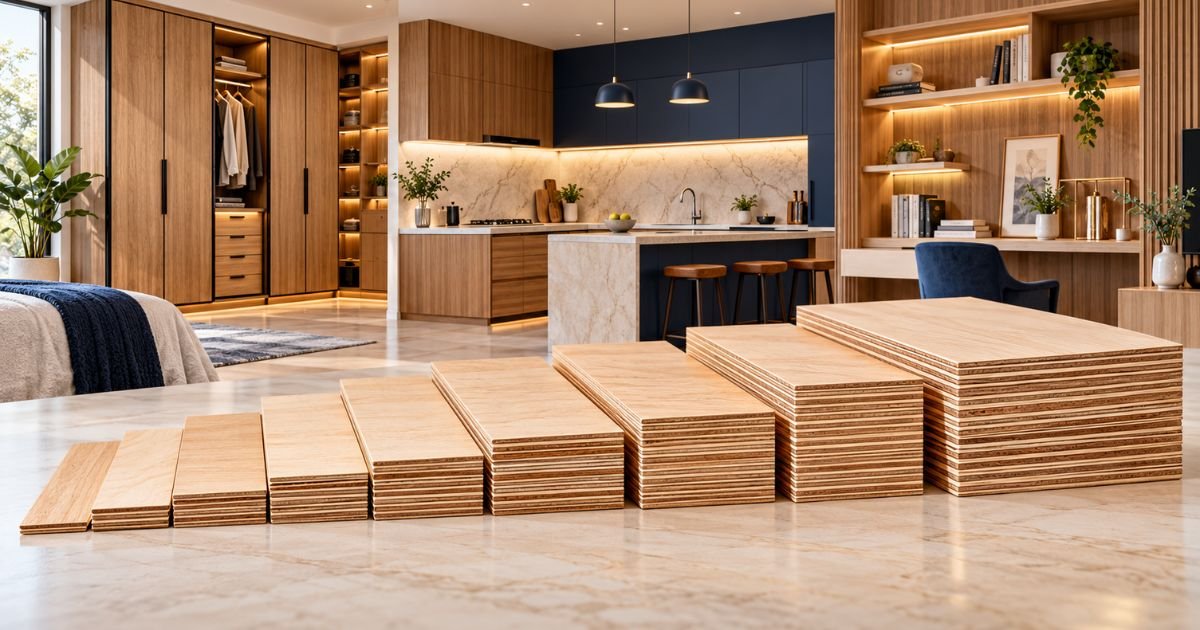
There are several types of plywood, and they can differ in construction, moisture resistance, strength, appearance, and intended use.
Depending on the application, buyers may encounter products such as:
- MR plywood
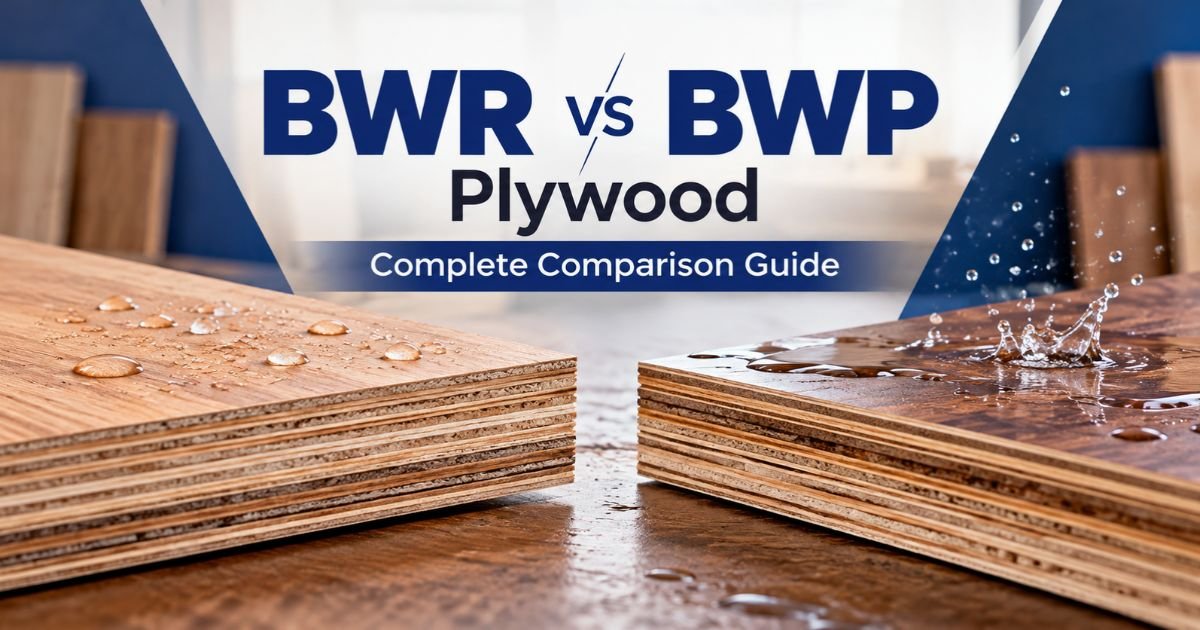
- BWR plywood
- BWP or exterior-grade plywood
- Structural plywood
- Decorative or face-grade plywood
- Specialized plywood products
The important point is that a grade should be selected according to the environment and application.
For example, a plywood sheet intended for a relatively dry interior application may not be the appropriate choice for an area exposed to frequent moisture.
Understanding the product specification before purchasing can prevent expensive mistakes.
3. Choosing the Wrong Grade for the Application
Selecting plywood without considering its environment is another common mistake.
A kitchen cabinet, bedroom wardrobe, bathroom unit, and office partition may have very different requirements.
Moisture exposure is particularly important. Areas such as kitchens and utility spaces can experience humidity, water splashes, and occasional spills.
This is why choosing the best plywood for kitchen applications requires more thought than simply selecting the most expensive sheet.
The appropriate grade should be selected based on the expected moisture exposure and the manufacturer's intended-use recommendations.
For areas with greater moisture exposure, a plywood product designed and rated for those conditions is generally more appropriate than a product intended for dry interiors.
4. Ignoring Plywood Thickness
Another mistake is buying the wrong thickness because the sheet appears similar to another one.
Plywood thickness should be selected based on how the material will be used and the loads it needs to handle.
For example, furniture components such as shelves, shutters, side panels, and carcasses may require different thicknesses depending on their dimensions, span, support, hardware, and expected load.
Using plywood that is unnecessarily thick can increase material costs and weight. Using plywood that is too thin can affect stiffness and performance.
Instead of choosing thickness by habit, discuss the specific application with your carpenter, designer, contractor, or supplier.
5. Not Checking the Actual Quality
A plywood sheet can have a good-looking surface and still require closer inspection.
Knowing how to check plywood quality can help buyers make better decisions.
Depending on the product, useful checks may include:
- Confirming the stated thickness
- Inspecting the face and back surfaces
- Looking for visible defects or open edges
- Checking whether layers appear reasonably uniform at exposed edges
- Confirming the product's grade and intended application
- Checking relevant certifications or standards where applicable
- Buying from a reliable supplier
Buyers should also be cautious about making judgments based solely on tapping sounds or visual appearance. These informal checks cannot replace product specifications, testing, or certification.
If quality documentation is important for your project, ask the supplier for the relevant product information before purchasing.
6. Buying Without Checking the Manufacturer's Specifications
Another common mistake is assuming that a product's name tells you everything you need to know.
Always check the manufacturer's technical information for the product.
Look for details such as:
- Grade
- Thickness
- Intended application
- Moisture resistance
- Bonding classification
- Applicable standards
- Warranty or product conditions, where provided
Specifications provide a much better basis for comparison than appearance alone.
This is particularly important when comparing products from different manufacturers.
7. Ignoring the Difference Between Interior and Moisture-Prone Areas
Not every room has the same environmental conditions.
A bedroom wardrobe may experience relatively low moisture exposure, while a kitchen cabinet may regularly encounter humidity and water splashes.
Similarly, furniture near bathrooms or exterior openings may need more careful material selection.
A good plywood buying guide should therefore begin with one simple question:
Where will the plywood be used?
Once you know the application, it becomes much easier to narrow down the appropriate grade, thickness, finish, and construction.
8. Assuming the “Best Plywood” Is the Same for Everyone
Searches for the best plywood in India can produce many recommendations, but there is no single plywood product that is automatically the best choice for every project.
The right product depends on:
- Application
- Moisture exposure
- Required strength and stiffness
- Thickness
- Surface requirements
- Budget
- Installation method
- Expected service conditions
For example, the requirements for a decorative interior panel may be different from those for a heavy-use cabinet or a moisture-exposed application.
Instead of asking which plywood is universally best, ask which plywood is best suited to your specific use.
9. Forgetting About the Edges and Finishing
Plywood performance is not determined only by the face of the sheet.
Edges can be particularly important in furniture because they may be exposed to moisture, impact, and repeated handling.
Proper edge treatment, sealing, laminating, painting, or other finishing methods should be selected according to the application.
Good finishing can improve appearance and provide additional protection, but it should not be used to compensate for choosing an unsuitable plywood grade in the first place.
10. Buying From an Unreliable Source
Even when you know exactly what product you need, where you buy it matters.
An unreliable supplier may provide insufficient product information, unclear specifications, or inconsistent material.
A reputable timber and plywood supplier should be able to explain the available grades and help you compare products according to your project requirements.
This is especially useful when you are buying plywood for a large furniture or interior project, where choosing the wrong product across multiple sheets can significantly increase the cost of corrections.
A Simple Plywood Buying Checklist
Before purchasing plywood, take a few minutes to check these points:
- Application: Where will the sheet be used?
- Moisture exposure: Is the area dry, humid, or regularly exposed to water?
- Grade: Is the selected grade appropriate for that environment?
- Thickness: Does the thickness suit the component and expected load?
- Quality: Have you checked the product specifications and relevant documentation?
- Finish: Does the surface suit the final application?
- Quantity: Have you calculated the required sheets accurately to reduce waste?
- Supplier: Are you buying from a reliable and knowledgeable source?
This simple process can prevent many expensive purchasing mistakes.
How Shree Ram Timbers and Plywood Can Help
At Shree Ram Timbers and Plywood, we understand that choosing plywood is not simply about finding the lowest price per sheet.
Different projects require different materials, and selecting the appropriate plywood depends on the application, environmental conditions, thickness, finish, and expected performance.
Whether you are working on home furniture, kitchen interiors, wardrobes, partitions, or other woodworking projects, getting the right information before purchasing can help you avoid unnecessary expenses later.
Our goal is to help customers make practical decisions based on their actual project requirements.
Final Thoughts
Plywood is an important investment in furniture, interiors, and construction, so choosing it only by price can be a costly mistake.
Understand the different grades, consider the environment, choose the right thickness, check product specifications, and buy from a reliable supplier.
Most importantly, remember that the best plywood in India is not necessarily the product with the highest price or the longest list of features. It is the product that is properly suited to your application and expected conditions.
A little research before buying can save you from repairs, replacement, material waste, and unnecessary expenses later.
When you know how to choose plywood based on the actual requirements of your project, you are not just buying a sheet of material, you are making a decision about the long-term performance of the finished work.