F1, Ground Floor, Sector 3, Noida
 +91 8882471048
 info@timberandply.com
A door frame may look like a simple structural component, but it has a direct impact on the stability, alignment, durability, and overall appearance of a door. A poorly selected frame can lead to problems such as warping, termite damage, moisture-related deterioration, loose joints, and difficulty operating the door. Replacing a frame after installation can also be expensive and disruptive.
Whether you are selecting frames for a residential project, commercial building, renovation, or large construction project, the right material and specifications matter. Before choosing a wooden door frame, consider these ten important factors to make a technically sound purchase.
1. Check the Wood Species
The first thing to examine is the type of wood used for the frame. Different species have different levels of density, dimensional stability, durability, grain structure, and resistance to environmental conditions.
Teak, for example, is widely valued for its natural durability and dimensional stability. Other hardwoods can also be suitable when they are properly seasoned, treated, and manufactured for the intended application.
Do not select timber simply because it looks attractive. Ask about the wood species and whether it is appropriate for your project's location and expected service conditions.
2. Look at Moisture Content and Seasoning
Moisture content is one of the most important technical considerations when purchasing timber for a door frame. Wood naturally absorbs and releases moisture depending on surrounding temperature and humidity. If timber is installed with excessive moisture, it can shrink, swell, twist, or develop dimensional problems as it reaches equilibrium with its environment.
Proper seasoning reduces these risks by bringing the timber to a more suitable moisture condition before installation.
When comparing a solid wood door frame, ask the supplier about seasoning and moisture control rather than judging quality only by surface appearance. Properly prepared timber generally provides better dimensional stability and reduces the possibility of movement after installation.
3. Inspect the Timber for Defects
Before buying, inspect the actual timber or ask for clear specifications regarding its quality. Look for major defects such as excessive knots, cracks, splits, insect damage, fungal deterioration, resin pockets, or severe grain irregularities.
Not every natural variation in wood is a defect. Timber is a natural material, so variations in colour and grain are expected. The concern is whether a defect compromises the structural integrity or long-term performance of the frame.
For larger projects, consistent grading and quality control become even more important because multiple frames need to perform reliably over time.
4. Verify the Frame Dimensions
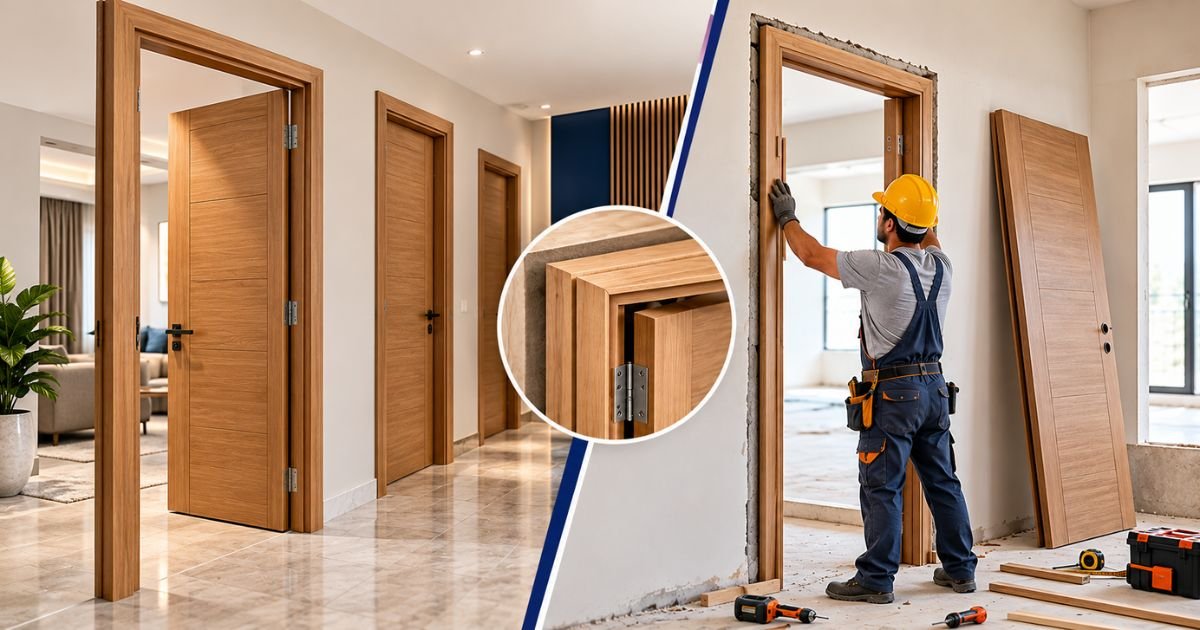
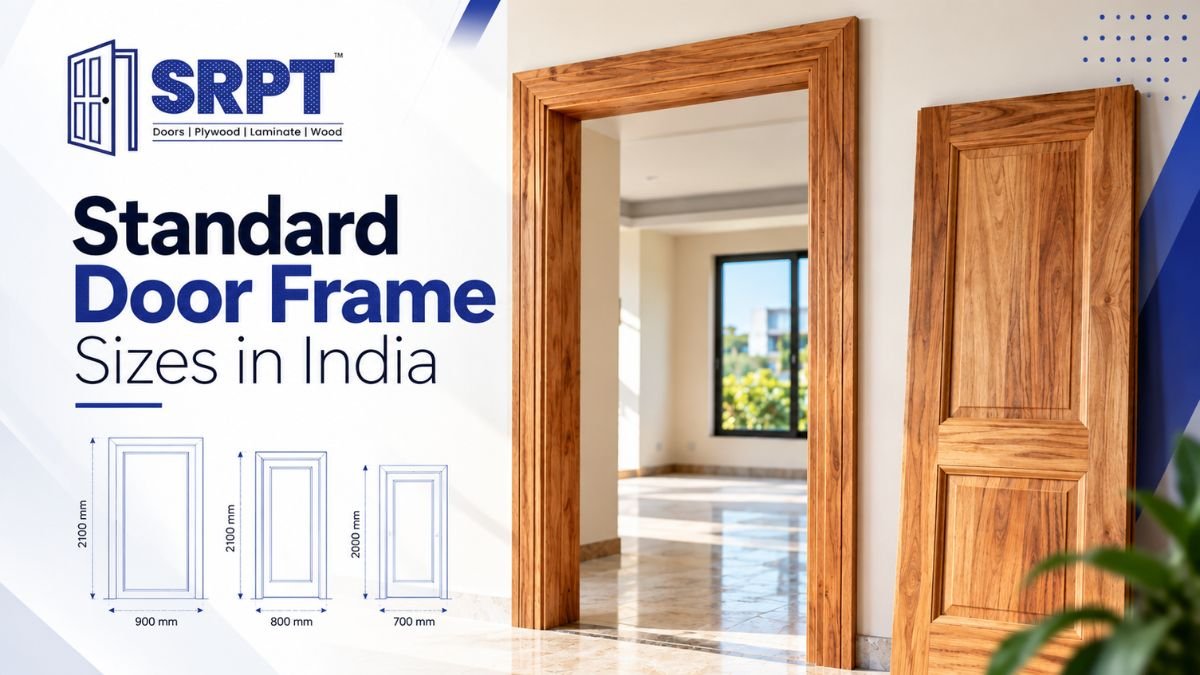
Correct dimensions are essential for proper door installation. Before ordering, confirm the required height, width, thickness, rebate details, wall thickness, and other relevant dimensions.
The frame should be manufactured according to the door leaf and opening specifications rather than selected on a generic assumption.
Incorrect measurements can result in excessive gaps, difficult installation, improper door alignment, or additional modification at the site. A professional wooden door frame supplier should be able to discuss the required dimensions based on the project's door and wall specifications.
For multiple openings, prepare a detailed schedule instead of relying on one standard dimension for every location.
5. Consider the Frame's Construction and Joints
The quality of a frame depends not only on the timber but also on how its components are constructed and joined.
Examine the joints between the head and jambs and check whether they are properly machined and assembled. Poorly executed joints can open up over time, particularly when the timber experiences dimensional movement.
The frame should also have sufficient section thickness and appropriate construction for the size and weight of the door. Heavy doors require a frame capable of handling the associated loads without excessive movement.
6. Check Resistance to Termites and Biological Damage
Timber can be vulnerable to termites and other biological agents, particularly where environmental conditions favour infestation or moisture accumulation.
If termite protection is important for your project, ask whether the timber has undergone an appropriate preservative treatment. Do not assume that every timber frame is naturally termite-resistant simply because it is made from hardwood.
A best wooden door frame for a particular application should be selected according to both the natural durability of the timber and the protection provided during processing and installation.
The surrounding wall, floor, moisture conditions, and installation details should also be considered because treatment alone cannot compensate for persistent moisture or poor construction practices.
7. Evaluate Moisture Resistance for the Installation Environment
Interior and exterior openings can experience very different environmental conditions. A frame installed in a dry interior location may face considerably less exposure than one near an entrance, balcony, wet area, or humid environment.
Ask how the timber has been prepared and protected against moisture-related deterioration. Proper seasoning, suitable surface protection, good detailing, and keeping timber away from persistent water exposure all contribute to longer service life.
This is particularly important when selecting a frame for regions or buildings where humidity and seasonal moisture variations are significant.
8. Check Compatibility With the Door and Hardware
A door frame must work as part of the complete door system. Before purchasing, consider the door's weight, thickness, hinge arrangement, lock configuration, and opening direction.
The frame should provide adequate support for the hinges and hardware. Poor compatibility can result in sagging, misalignment, rubbing, or difficulty closing the door.
For heavier solid timber doors, this becomes particularly important. The frame section, hinge fixing, and surrounding structure should all be capable of supporting the expected load.
9. Compare Quality, Specifications, and Price
Price should not be the only deciding factor when comparing frames. Two frames may have similar dimensions but differ significantly in wood species, moisture condition, treatment, construction quality, and finishing.
When comparing suppliers, ask for specifications rather than simply requesting the lowest price.
For example, compare:
- Wood species and grade
- Timber seasoning or moisture condition
- Frame dimensions
- Treatment and preservation
- Construction and joint quality
- Surface finish
- Customisation options
- Warranty or applicable service terms
This approach makes it easier to identify whether a lower-priced frame actually provides comparable value.
10. Choose a Reliable Supplier
Finally, consider who is supplying the frame. A reliable wooden door frame supplier should be able to provide clear information about timber species, dimensions, treatment, quality standards, and project requirements.
This becomes especially important for contractors, builders, architects, furniture professionals, and procurement teams purchasing frames in larger quantities. Consistency between batches can be just as important as the quality of an individual frame.
At Shree Ram Timbers and Plywood, we focus on supplying timber and related products for residential, commercial, and professional construction requirements. With 30 years of experience in the timber and plywood industry, we understand that buyers need more than an attractive piece of wood—they need material that is suitable for the intended application and supported by reliable specifications.
Final Thoughts
Choosing a door frame should not be based purely on appearance or price. Wood species, seasoning, moisture content, timber defects, dimensions, joints, treatment, hardware compatibility, and supplier reliability all influence the final performance of the frame.
A teak wood door frame may be an excellent choice where its natural durability and dimensional stability suit the application, while other properly selected and treated hardwoods may also provide reliable performance. The right decision depends on the project environment, door specifications, budget, and expected service life.
Before placing an order, use these ten checks as a practical evaluation framework. Taking a little more time during material selection can help prevent expensive problems during installation and reduce the likelihood of premature replacement.